 Business License
Lando Chiller Usage Guidelines & Material Precautions
Lando Chiller Usage Guidelines & Material Precautions
When integrating a Lando industrial chiller—especially in laser cooling applications—it is critical to carefully select piping materials and maintain proper water quality. Improper material choices can significantly impact system performance and the lifespan of both the chiller and the connected equipment.
1. Avoid Using Copper Fittings in Laser Cooling Systems
In most laser chiller applications, particularly those involving fiber lasers or deionized (DI) water systems, copper fittings are not recommended for the internal cooling loop.
The main risks include:
Ion Contamination (Primary Concern)
Copper can release ions into deionized water, increasing electrical conductivity. This reduces the effectiveness of ion-exchange resins and may compromise laser performance.Electrochemical Corrosion
If aluminum components (such as heat exchangers) are present, contact between copper and aluminum in the cooling fluid can lead to galvanic corrosion, damaging internal parts.Laser Manufacturer Restrictions
Many laser manufacturers explicitly prohibit copper within the cooling circuit and instead recommend stainless steel or polymer-based materials.
2. Where Copper Fittings May or May Not Be Used
Acceptable Use (Limited Conditions)
Copper or brass fittings may be used in external piping systems if:The system is a closed-loop chiller
Internal components are made of stainless steel or plastic
Water quality is strictly monitored
Not Acceptable
Copper fittings must not be used in:Fiber laser cooling loops
Any system requiring deionized water
Internal circulation circuits where contamination risk is critical
3. Recommended Materials for Lando Chiller Systems
To ensure long-term reliability and optimal performance, the following materials are strongly recommended:
Stainless Steel Fittings
The most reliable option—corrosion-resistant and does not contaminate water.Nickel-Plated Copper Fittings
A safer alternative to pure copper; the nickel layer helps reduce ion release.Plastic or Polymer Fittings (PVC / PTFE)
Chemically stable, corrosion-resistant, and ideal for maintaining water purity.
4. Precautions If Copper Must Be Used
If copper fittings are unavoidable in specific situations, take the following precautions:
Increase Filter Replacement Frequency
Copper ions accelerate the exhaustion of deionization resins, requiring more frequent filter changes.Monitor Water Conductivity Regularly
Use a conductivity meter to ensure water remains within acceptable limits for your laser system.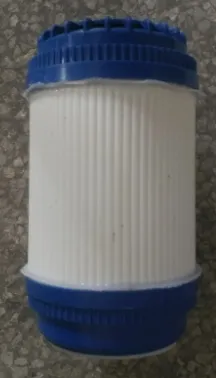
5. General Recommendation
For laser chiller applications, it is strongly advised to use stainless steel or plastic fittings and avoid copper entirely to protect both the chiller and the laser system.
For general industrial chillers (e.g., mold cooling or standard heat removal), copper fittings such as hose barbs may be used, as water purity requirements are less stringent.
Recently Posted
-
Choosing the Right Pool Chiller for Your Backyard Comfort and Cold Plunge Needs
April 28, 2026Lando pool cooling solutions are ideal for converting a spa or swimming pool into a refreshing cold plunge environment. When choos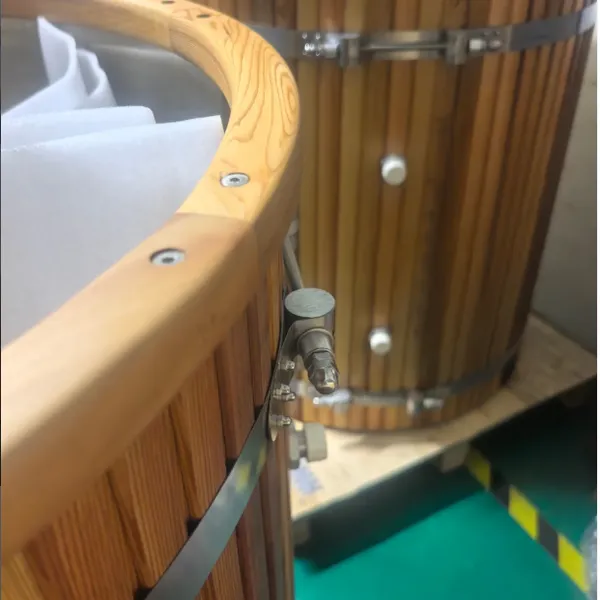 Read More
 -
Lando Luxury Ice Bath System: 1 HP Integrated Chiller for Commercial & Therapy Use
January 1, 2026Lando All-in-One Ice Bath Chiller: Smart Cooling & Heating with Ozone and UV SterilizationLando Technology is one of the large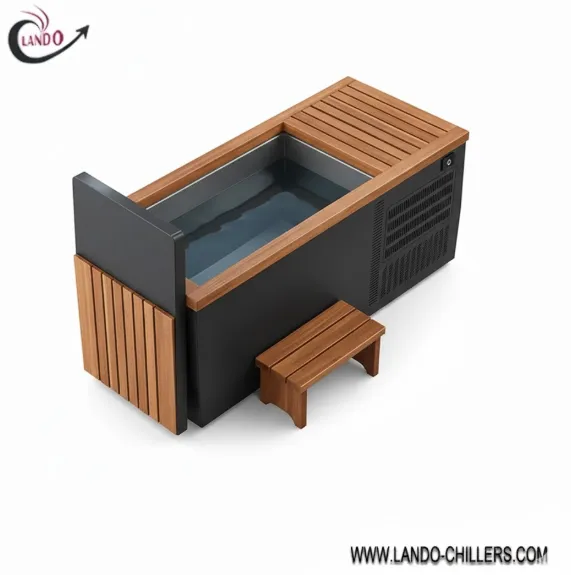 Read More
 -
Welcoming 2026: LandoChiller’s 2025 Water Chiller Market Review
December 31, 2025Welcoming 2026: LandoChiller’s 2025 Water Chiller Market ReviewAs we welcome 2026, LandoChiller reflects on 2025 as a year of stea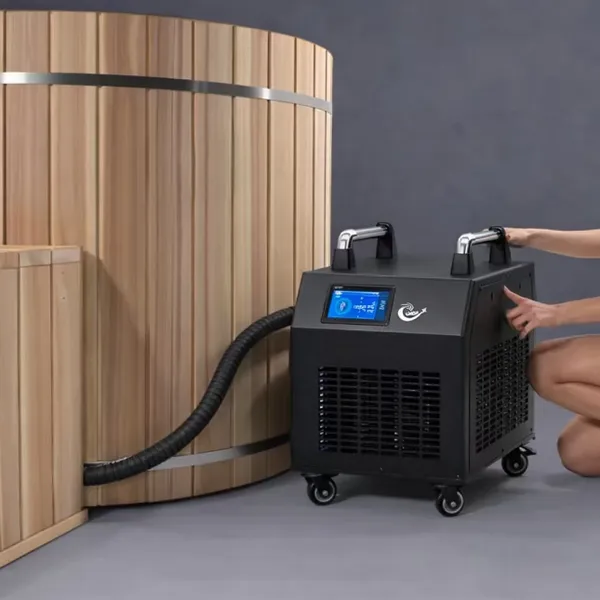 Read More
 -
LandoChiller LD2300 Industrial Water Chiller for Fiber Laser Welding & Cutting Machines
December 29, 2025LandoChiller LD2300 Industrial Water Chiller for Fiber Laser Welding & Cutting MachinesIn modern manufacturing, fiber laser we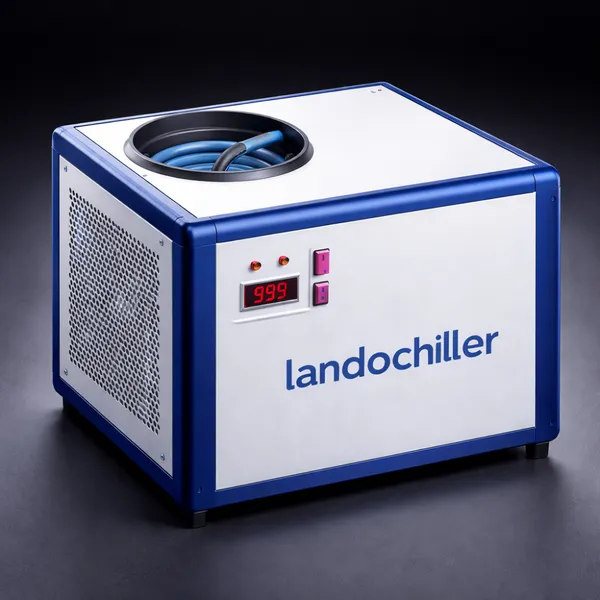 Read More

Contact Us
Recommended Products
-
 Lando Supply Hydroponics Chiller With Heating or Cooling for the Nutrient Solution in Large Commercial Hydroponic SystemsNegotiableMOQ: 1 Piece
 -
Lando Pool Chillers and Pool Coolers Give You Complete Control of Your Pool’s Temperature at Any SeasonNegotiableMOQ: 1 Set
-
Lando Supplies 2023 New Version of the Ice Bath Cooling Unit for Sports Recovery With Performance Cooling CapacityNegotiableMOQ: 1 Set
-
This Ice Bath Cooling Unit With a High Capacity Which is Powerful Enough to Cool a 500-600L Tub Within 3-4 Hours to Near Zero DegreesNegotiableMOQ: 1 Set
-
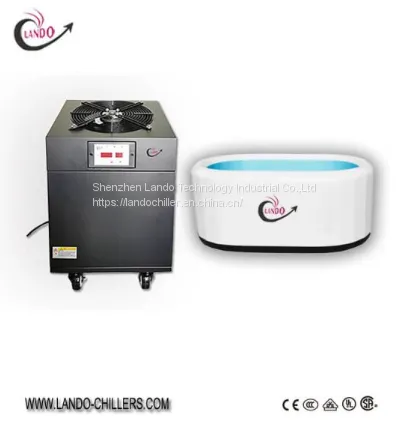
Lando Supplies a High-quality Ice Bath Cooling Unit for Sports Recovery With Performance Cooling CapacityNegotiableMOQ: 1 Set
-
Lando Spot Cooler for Sale Spot Coolers LD40-AC CoolingNegotiableMOQ: 1 Piece
-
Mini LANDO Aquarium Water Chillers Cool Fish Tanks 1/13HP 1/10HP 1/4HPNegotiableMOQ: 1 Piece
-
Lando CO2 Laser Tube Water Chillers Have 2500W Cooling Capacity. For This Industrial Laser Tube Water Chiller for Co2 LaserNegotiableMOQ: 1 Piece
-
Agricultural Chillers Which Manufactures by Lando Specially Designed Chillers for Large Scale Hydroponic Grow RoomsNegotiableMOQ: 1 Piece
-
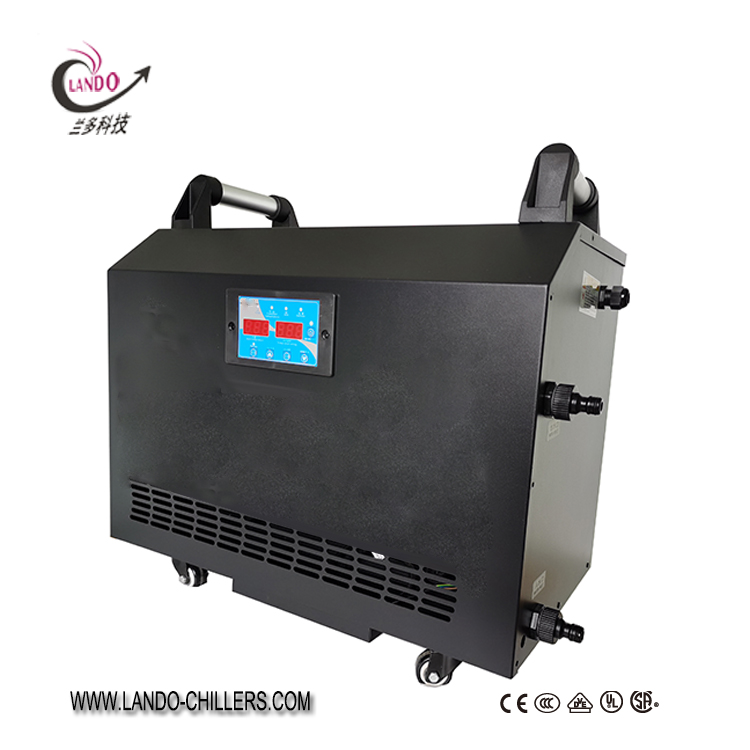
Ice Bath Cooling Unit Lando Ice Bath Cooling Unit 2500W / 8800WNegotiableMOQ: 1 Piece


-
Industrial Water Chillers for Hydroponics Water Chillers Ld-1 1/2 HPNegotiableMOQ: 1 Piece
-
Lando Mold Temperature Controller Unit 12KW CoolingNegotiableMOQ: 1 Piece
-
Lando Offers Some of the Best Value Aquarium Chillers for LD-1/4HPNegotiableMOQ: 1 Piece
-
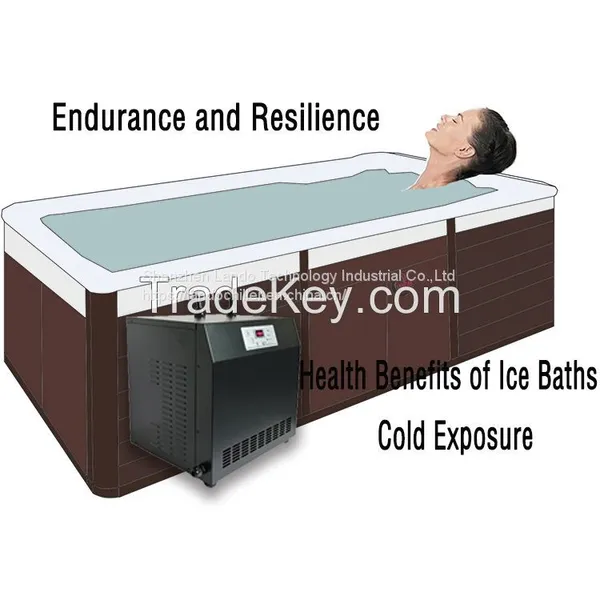
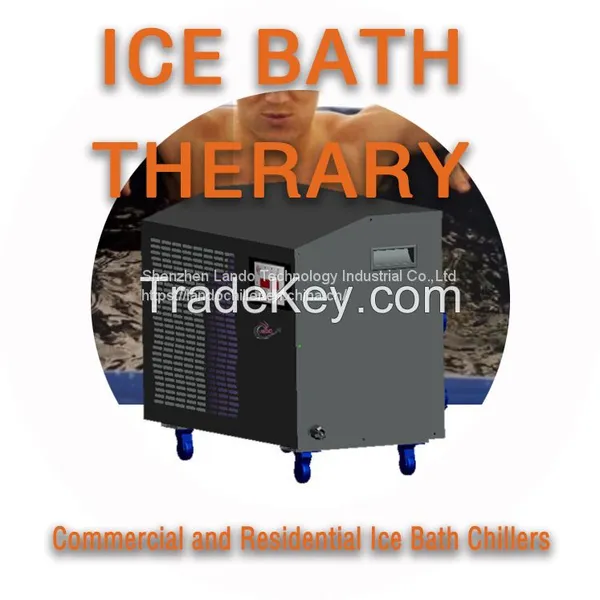
Ice Bath Cooling Unit - SPA CHILLER FROM SHENZHENNegotiableMOQ: 1 Piece
-
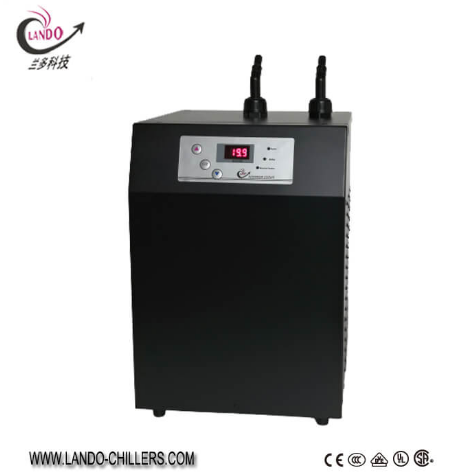
SWIMMING POOL WATER CHILLER - SPA CHILLER FROM SHENZHENNegotiableMOQ: 1 Piece


-
Industrial Water Cooling Chiller for Co2 Laser Tube From 1HP to 5HP in ChinaNegotiableMOQ: 1 Piece
-
Aquarium-water-chiller-ld-1hp-ac-aw Keep Your Aquarium at Comfortable Temperature Advanced FeatureNegotiableMOQ: 1 Piece
-
Portable Industrial Water Chillers Cooling Systems for 130W/150W CO2 Glass Laser TubeNegotiableMOQ: 1 Piece
-
LANDO Company Supply Small Cheap Aquarium Water Chillers Cool Fish Tanks 1/13 HP - 1/4 HPNegotiableMOQ: 1 Piece
-
Offering the Pricelist and Quotation Consultation, it is One of the Best Hydroponic Gardening Chillers Manufacturers and Suppliers in ChinaNegotiableMOQ: 1 Piece